Creativity is not just for artists or people who’ve studied under someone deemed creative. The ability to creatively solve problems is an innate human quality everyone shares. The question is: How do organizations help unlock people’s creative potential?
Why the built environment needs a people-first philosophy
Today’s buildings have more of a focus on open, sustainable design than ever before as growing numbers of companies want offices that not only make the most of the space but also get the best from the people inside.
The employee, not the employer, is dictating the future of work
JLL’s recently released Future of Work model dedicates a significant amount of attention to a company’s ability to create a memorable day-to-day for employees. We call it “The Human Experience” and we believe it’s going to completely change the way organizations attract and keep top talent. The Human Experience draws from a global study of more than 7,000 employees of JLL clients.
Employers create homey workplaces to attract and please millennials
While attractive workspaces might make employees feel happier and more productive, many people are finding working at home more attractive than an area resembling their living room. The rise in remote workers during the past few decades could be a testament to that viewpoint.
3 pillars to wellness in the workplace
The concept of well-being is becoming increasingly important not only in retaining talent but also in creating a high-performance business.
Watch: The growing urbanisation of work and workplaces
even as the city makes its way into our offices, so the people emerge from them to colonise the urban environment. We have become so accustomed to working wherever we think it best that when people are asked to describe their ideal working environment, what they tend to come up with is essentially a High Street cafe.
Approachable Technology in the Workplace
Far-reaching changes occur when new technology is welcomed into the workplace; culture, language, and even time itself are impacted.
Majority of US office workers demand technology that allows them to work anywhere
The majority of North American office workers expect their employers to provide technology that allows them to work from wherever they choose and three quarter of employees (74 percent) would rather leave their job to work for an organization that would allow them to work remotely more often, even if their salary stayed the same.
Is a Noisy Office drowning your Productivity?
The open-plan office, with its lack of offices, partitions and other noise-absorbing devices, is the main culprit in the war on noise. The push to create more collaborative, creative workplaces has made some employees feel like battery chickens.
Raising the bar on workplace experience
In Australia, we’re spoilt for choice in terms of work-life balance. We have great access to water, parklands and beaches which creates a different transition from work life to home life than many of our regional and global neighbors. Yet despite this, our latest report, Workplace – Powered by Human Experience, has found our engagement levels are lagging behind our global counterparts.
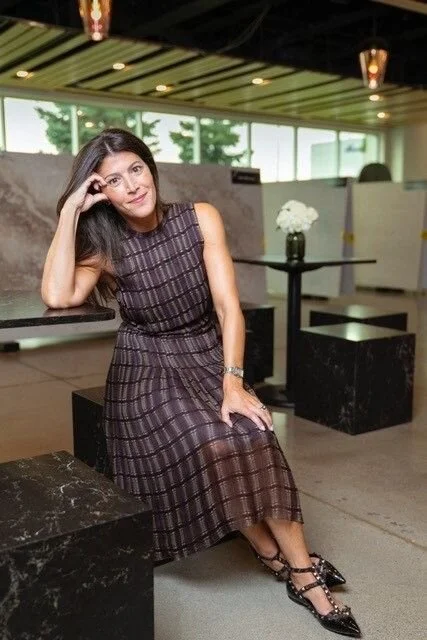
Up Close: Melissa Pesci - changes driving the workplace—and opportunities to engage people on different levels.
Melissa Pesci, AIA, LEED AP, is an Architect and Principal specializing in workplace planning and design in HGA’s Corporate Interiors Group. Here, she talks about changes driving the workplace—and opportunities to engage people on different levels.
Workplace flexibility: Your key to hiring and retaining the best
If you want to hire and retain the best tech talent, you have to be flexible. Workplace flexibility is fast becoming a must-have perk for candidates and employees alike; it’s even more important than healthcare.
Architecture's next big thing: buildings that make us feel better
Forget style, functionality and aesthetics: architecture’s hot topic is how to design buildings that improve our health, both mental and physical. Cue indoor gardens, emotionally pleasing colour palettes, stairs in place of lifts … even animal enclosures.
Inspiring Spaces to Boost Creative Confidence
Beyond our traditional views of creative work, the new creativity requires fresh approaches to people, process and place. In addition, there is an important connection to happiness. Places that create the conditions for creativity also create the conditions for wellbeing – leading to happier people.
Strategizing the Workplaces of Tomorrow
Great workplaces are driven by a shared vision—the blend of an organization’s culture and a strategy for how people can do their best work. This shared vision inspires people to thrive, and as a result their organizations thrive. Placing the wellbeing of people at the core can create a happier and more productive workforce, increasing the chances for people to succeed within the organization’s culture and “live out” the vision.
Workplace Designers Embrace Technology and Data to Benefit Workers
To compete in today’s fast-paced, complex, global economy, organizations need people who come to work energized, ready to generate new ideas, solve problems in new ways and make meaningful progress every day. But, the reality is highly engaged workers are the exception not the rule.
Gartner: Digital workplace shifts required buy-in from across lines of business
Digital workplace leaders need to put a framework in place to ensure digital workplace initiatives succeed, according to a new report from Gartner.
Watch: Powered by Human Experience - London-based Sky, Europe’s leading Entertainment Company
To give you a practical sense of one client’s journey to enhance human experience, please watch this story from London-based Sky, Europe’s leading entertainment company.
Remote workers perceived as less valued by management than office based staff
“Remote workers don’t have a physical presence in the office, so their colleagues may be under the impression that they bring less to the table or aren’t a member of the team, even though that’s often not true.”
Guest Experience: A Lesson in Flexibility
Some huge cultural shifts in the way people use the built environment are tearing across building typologies, geographies and demographics, and conversations at the proverbial watercooler reveal that designers at CallisonRTKL have taken note.