Workplace

London market for flexible workspace outstrips conventional space

London market for flexible workspace outstrips conventional space

The UK market for flexible workspace has grown 11 percent in just the last 12 months. The main driver of the upsurge is inevitably London, which saw the biggest increase of flexible space at 16 percent and now represents a third of the whole UK market. According to the new research by The Instant Group, traditional occupier inquiries for London grew at a lower rate (nine percent), meaning the supply of flexible workspace in London has outstripped conventional office space by some margin over the last year; a trend the report suggests that seems set to continue into the future. Double digit growth for flexible workspace was also been seen across the UK’s regions, with suburban locations seeing some of the UK’s most aggressive growth in terms of workstation rates and inquiries, despite a 12.5 percent increase in supply, as occupiers have chosen cheaper locations with good transport links over the highly competitive market in central London.

Read the article on workplaceinsight.net >

Managing the High-Intensity Workplace

Managing the High-Intensity Workplace

People today are under intense pressure to be “ideal workers”—totally committed to their jobs and always on call. But after interviewing hundreds of professionals in many fields, the authors have concluded that selfless dedication to work is often unnecessary and harmful. It has dysfunctional consequences not only for individuals but also for their organizations.

Read the article on hbr.org >

Six-hour days make workers happier and more productive, study finds

Six-hour days make workers happier and more productive, study finds

Employees are more productive and have better health if they work a six-hour day, an experiment in Sweden has found. Staff at the Svartedalens nursing home in Gothenburg took part in a controlled trial of a 30-hour working week, with an audit published on the experiment in April finding staff were more productive and energetic – with patients at the home reporting an improvement in their care.

Read the article on independent.com.uk >

5 of the Coolest Office Layouts in San Francisco

5 of the Coolest Office Layouts in San Francisco

Gone are the days of box-like office cubicles and worn water coolers. You no longer have to bring your lunch to work and hide it in a mini-fridge or warm it up on a college dorm hot plate. More and more companies are opting for open-floor plans, fully-stocked kitchens, and fun layouts that boost employee moral. However, they didn’t just stop at rows of desk next to each other. Here are 5 of the coolest offices in San Francisco that take open-floor plans to the next level.

Read the blog post on gethightower.com >

Why the future office will be as much about fun as work

Why the future office will be as much about fun as work

Technological advances mean that staff can avoid the drudgery of commuting and work from home, coffee shops, or any number of exotic locations. So some companies are working extra-hard to make their offices more attractive places to be.

Read the article on bbc.com >

Launched: Workspaces, they are a-changin'

Launched: Workspaces, they are a-changin'

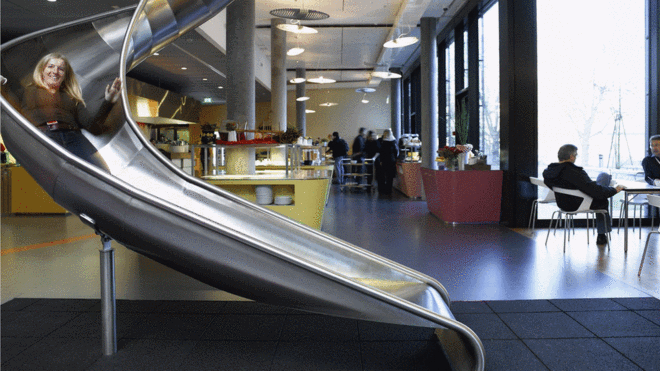
YouTube has a slide. Twitter has three types of water on tap. Facebook looks like a mini-college campus, complete with matching blue bikes and helmets for commutes from building to building. In Silicon Valley and in San Francisco, office spaces are living up to their Hollywood reputations as adult playgrounds. But beneath all the glitz, glamour and bean bags, the start-up capitol’s real office trend is spreading throughout the country: small, unique meeting rooms — and more of them.

Read the article on usatoday.com >

Democracy is a great thing, except in the workplace

 Democracy is a great thing, except in the workplace

CEOs must listen very carefully to their employees but they have to do what is best for the company, employees, and shareholders. They have to make tough decisions and take responsibility when things go wrong. They expect that once the decision is made, everyone will comply — whether the decision was good or bad. The best leaders share the credit when they achieve success and take all the blame when things go wrong.

Read the article on washingtonpost.com >

Job seekers say telecommuting is most desired form of flexible work

Job seekers say telecommuting is most desired form of flexible work

According to research from Flexjobs, telecommuting has grown 103 percent since 2005 and approximately eighty to ninety percent of the workforce would like to telework at least part-time. Work-life balance (81 percent), family (56 percent), time savings (56 percent), and commute stress (48 percent) are the top reasons people seek flexible work arrangements. Millennials would put flexible working ahead of professional development training, company reputation and a sense of purpose when looking for a job. FlexJobs recently analysed the remote job listings of over 40,000 companies to determine which companies have been recruiting for the most telecommuting positions in recent months. Healthcare, technology and education were the most well-represented industries. The remote job listings at these companies are equally diverse, such as business analyst, product manager, developer, teacher, director of communications and market researcher.

Read the article on workplaceinsight.net > 

Workplace wellness: you can build it and they still may not come

Workplace wellness: you can build it and they still may not come

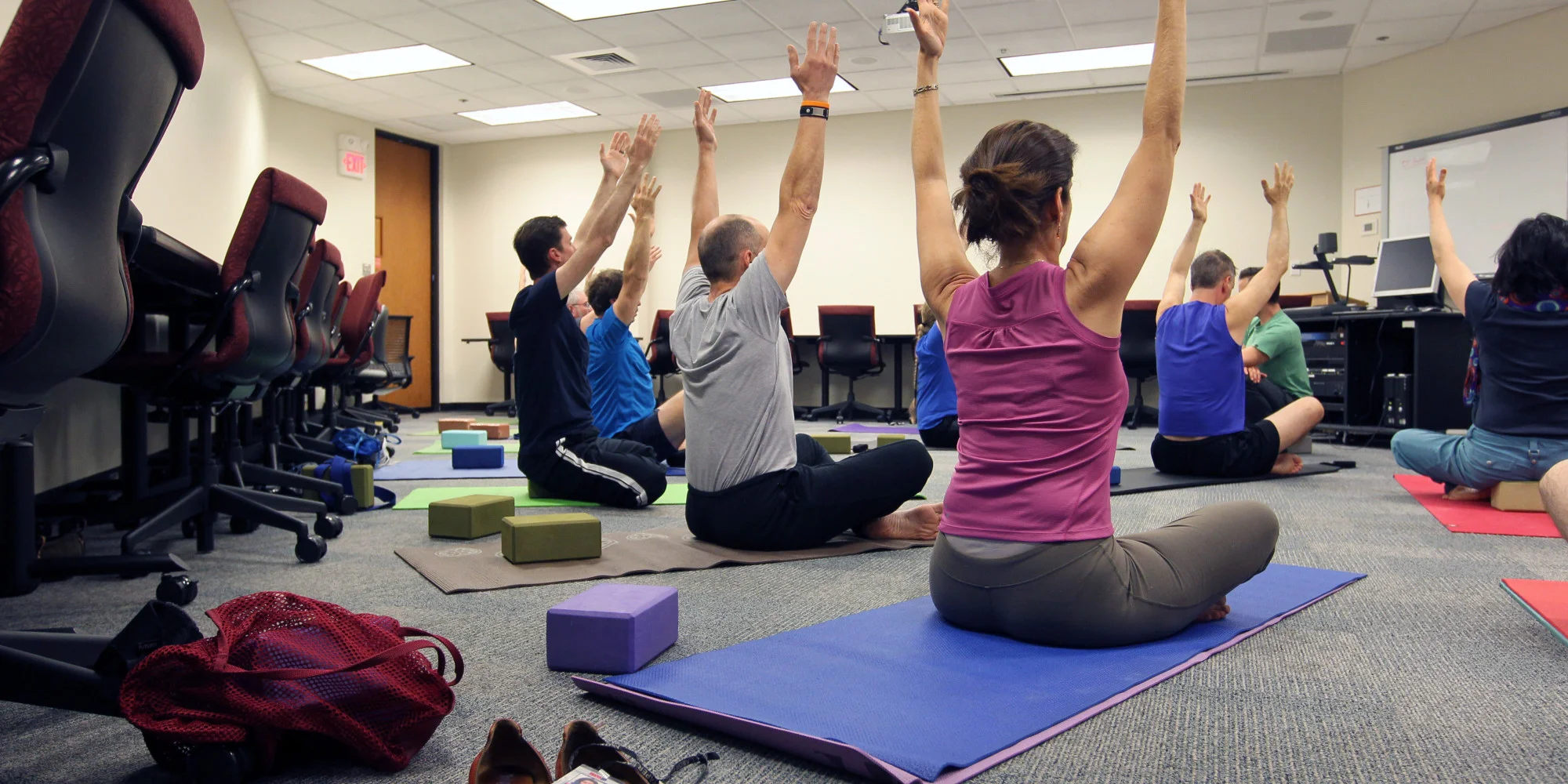
When it comes to workplace wellness programmes it appears that even if you build them, employees may still not come. According to a study conducted by the American Psychological Association, around two-thirds of Americans do not take regular advantage of the wellness programmes created for them by their employers. 

Read the article on workplaceinsight.net > 

Spatial Culture: Tech firms aim to display company culture through office design

Spatial Culture: Tech firms aim to display company culture through office design

As technology companies outline plans for their office design, creating ways to showcase their culture impacts the process.

“Every company has its own unique culture and core values that make up who they are and have contributed to their success,” said Jenny Haeg, founder and CEO of San Francisco real estate firm Custom Spaces, which focuses on finding space for technology and startup companies. “Therefore, it’s crucial for a company to individualize their space to allow that unique culture to flourish and develop.”

For example, one company Haeg assisted was San Francisco-based Checkr, which expedites employee background screenings for businesses. Part of the company’s goal was to create an office environment to reflect its values, including transparency and connection, said Khoi Ho, manager of people operations at Checkr.

Read the article on theregistrysf.com >

This Is What Happens When You Give Up Your Office

This Is What Happens When You Give Up Your Office

Open-office plans have been bashed by critics, but done right, they can be effective. When my company, Namely, moved into a new space, I knew I didn’t want my own office. That’s right -- I’m the CEO, and I don’t have my own office. Instead, I move my desk around every few months so I can sit in a different Namely department.

Read the article on entrepreneur.com

5 designers predict future of office spaces

5 designers predict future of office spaces

The office of the near future may be more focused on making you happy. Designers say companies are looking at ways to use data to keep employees comfortable and to give them the space they prefer to work in. Companies are also investing in ways to keep employees healthy and entertained — especially as businesses compete for talent.

Read the article on on chicagotribune.com >

Video: Workplace design, building for humans and machines

Video: Workplace design, building for humans and machines

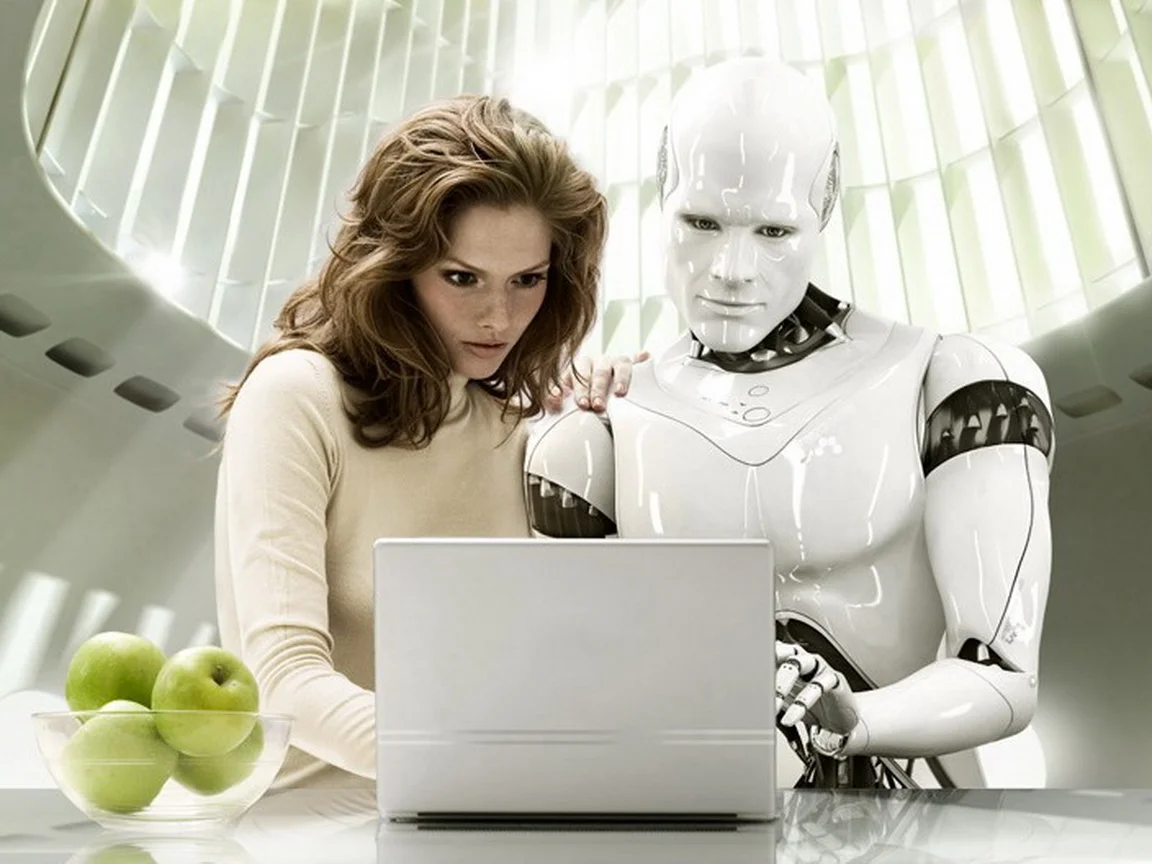
Jennifer Magnolfi, designer, architect, and founder and principal researcher of Programmable Habitats, has studied the convergence of human work and machine work. Increasingly, we will work alongside machines in spaces designed not just for people, but also for artificially intelligent occupants. Magnolfi already sees this in the hacker and maker spaces young roboticists are creating.

Tech-Honed Features Emerge in the Financial Sector

Tech-Honed Features Emerge in the Financial Sector

Popularly attributed to new technologies and the rise of high-tech firms, current workplace trends and new attitudes about work represent a cultural shift that draws from a combination of factors. Technology has set the ball in motion and continually updates the playing field, but behaviors and dynamics from other sectors have also made contributions.

Read the article on interiorarchitects.com >

3 Misconceptions I wish everyone knew about Activity Based Working

3 Misconceptions I wish everyone knew about Activity Based Working

A big part of our job is re-educating people on their understanding of what Activity Based Working (ABW) really is. And perhaps even more importantly, help create their own definition of what it means for them personally.

Read the article on officesnapshots.com >

Are Recently Hired Graduates Lost in Transition?

Are Recently Hired Graduates Lost in Transition?

We’ve all heard the negative stereotype surrounding Millennials…entitled, lazy, do-gooders who can’t put down their smart phones. We’ve also heard the positive stereotype of this generation….tech-savvy, adaptable employees who look for meaning in their work and openly seek to collaborate with peers. Millennials now make up the largest generation in the workforce, leaving employers scratching their heads as to how to attract and retain these workers who seem to challenge the traditional norms of “work”.  KI and HOK set out to answer just this question. After speaking with HR professionals, employers and recent graduates we uncovered one, consistent truth, recently hired graduates are ‘lost in transition’.

Read the blog post on blog.ki.com >

Why the greatest places to work are also safe by design

Why the greatest places to work are also safe by design

An effective workplace is one that helps employees to feel relaxed, motivated, and safe. From my point of view, the latter is especially true. I believe that health and safety becomes a lot easier when it is built into the fabric of the building itself. The Google workplace has been praised for its great design, and it’s easy to see why. Alongside the eccentric features and the myriad of differently styled rooms is a serious commitment to the wellbeing of its employees. The design of the Google canteen (above) means that sugary snacks are stored in translucent containers at the back, but healthier options such as fruits and nuts are stored in transparent containers at the front. The idea is to encourage employees’ to be healthy using workplace design. This is just one example a company that has built safety and health into the fabric of their building rather than absent-mindedly forcing it upon the workplace as an afterthought.

Read the article on workplaceinsight.net > 

The End of the Office Dress Code

The End of the Office Dress Code

Over the weekend an exhibition opened at the Museum at the Fashion Institute of Technology in New York. Entitled “Uniformity,” it displays 71 pieces from the museum’s collection of (surprise) uniforms, divided into four categories — military, work, school, sports — as well as a select group of the fashion looks they influenced, like Geoffrey Beene’s 1967 sequined football jersey gown and Rei Kawakubo’s 1998 military vest and pleated skirt for Comme des Garçons.

Read the article on  nytimes.com >