
Working Life

Wellbeing in the Workplace Has Superpowers!

Wellbeing in the Workplace Has Superpowers!

The wellbeing of your employees isn’t a program or HR checklist. It’s a business strategy aimed at increasing employee productivity, enhancing engagement and improving overall health and happiness in the workplace. And like any good business strategy, it’s ongoing, targeted and essential to what defines your organization and its success.

‘Nap Bars’ Are Officially a Thing Now—Would You Try It?

‘Nap Bars’ Are Officially a Thing Now—Would You Try It?

In Spain, where daily naps are the norm, a new “nap bar” called Siesta & Go is getting some attention. The bar, which opened in late June, rents out bunks by the minute (perfect for those 15 to 20 minute power naps!). The top bed in a bunk is 12 U.S. cents per minute, in case you ever wondered how much your sleep was really worth.

Millennials reluctant to work remotely as they feel prohibited from working flexibly

Millennials reluctant to work remotely as they feel prohibited from working flexibly

There is growing sentiment among younger workers that flexible working is less a right – as outlined by the Government in 2014 – and more a ‘selective benefit’ for a choice group of employees. New research by Michael Page claims that two thirds (67 percent) of millennials believe employees with families are more encouraged to work flexibly than their single colleagues, and 6 in 10 (61 percent) feel the same flexible working privilege appears to apply more to senior co-workers, with junior team members more often discouraged from flexible working initiatives.

Seven ways in which flexible working is making our lives more rigid

Seven ways in which flexible working is making our lives more rigid

A number of recent surveys of the ways in which we work have highlighted the implications of flexible working and the integration of workplace technology into our lives. While we should take most surveys from businesses with a pinch of salt, when they all point in the same general direction, we can assume that their results are broadly correct.

Not even remotely possible

Not even remotely possible

Quite apart from the time and rent saved, there’s growing evidence that remote teams can be more productive than in-person ones. Consider: “We found massive, massive improvement in performance — a 13% improvement in performance from people working at home.” Consider companies like Automattic, Gitlab, InVision, and Zapier, all of which thrive as fully remote companies.

This Is Your Brain on Design

This Is Your Brain on Design

There has been, historically, a divide between building performance and human performance. I would argue that there’s no reason why they have to be divided. What we need to do is combine the information and produce best practices that serve both. We need to ask questions like, “Why do men and women differ when it comes to, say, thermal comfort?

London Tech Week: Harness Creative Potential

London Tech Week: Harness Creative Potential

We’ve all been in a meeting where people failed to participate. One person runs the agenda. One person writes on the board. Everyone else occasionally checks in but also checks email, text messages and does other work. Conversely, we’ve seen what can happen when someone is passionate about a project. Energy and inertia can often be sparked by a creative idea. That’s when something big can happen.

Apple Park employees revolt over having to work in open-plan offices

Apple Park employees revolt over having to work in open-plan offices

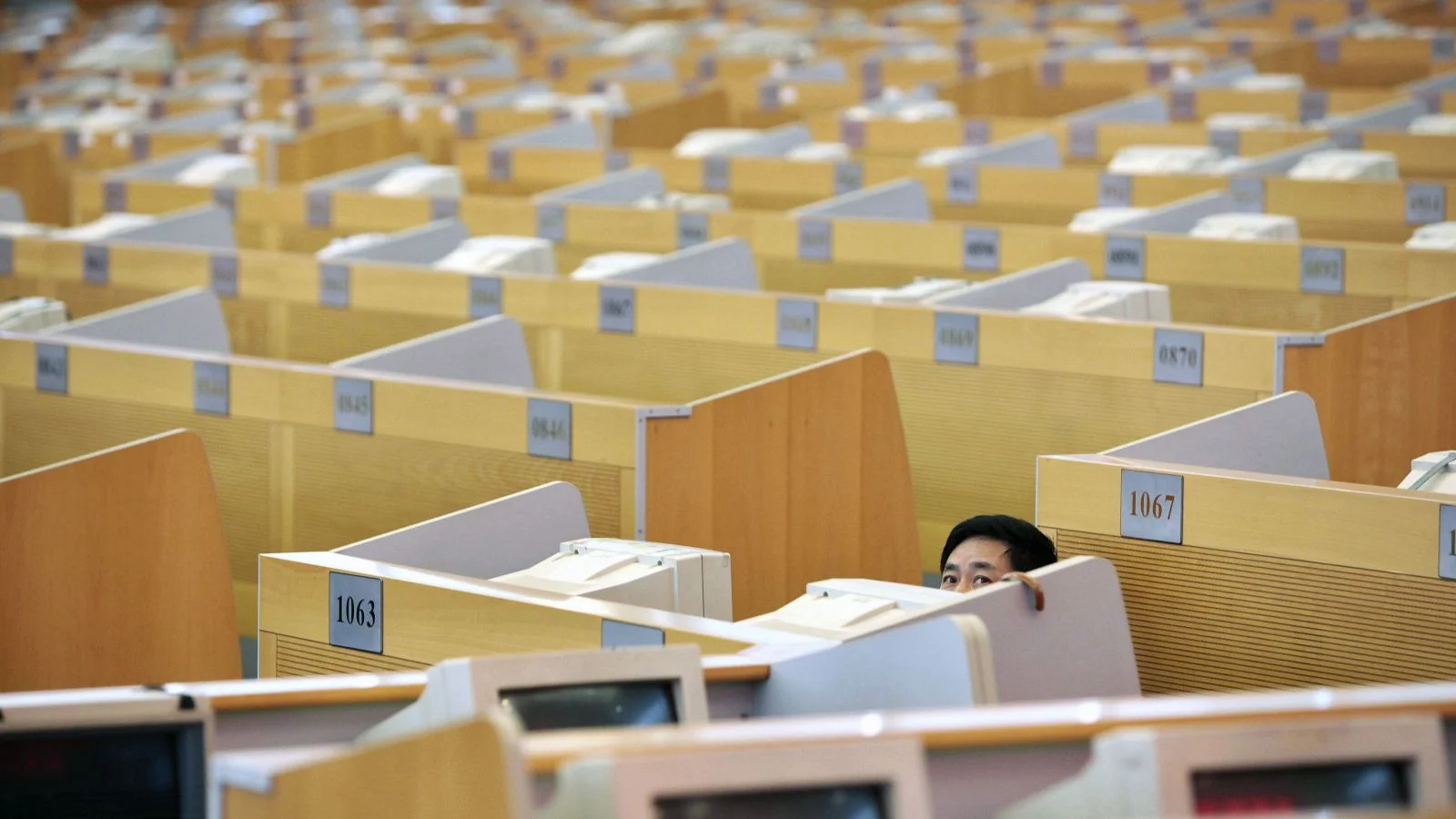
Open-plan offices have become more common since the 1990s but have come under scrutiny in recent years. A recent Haworth's white paper said that open-plan offices are "sabotaging" employees' ability to focus at work, with office workers losing 28 per cent of their productive time due to interruptions and distractions.