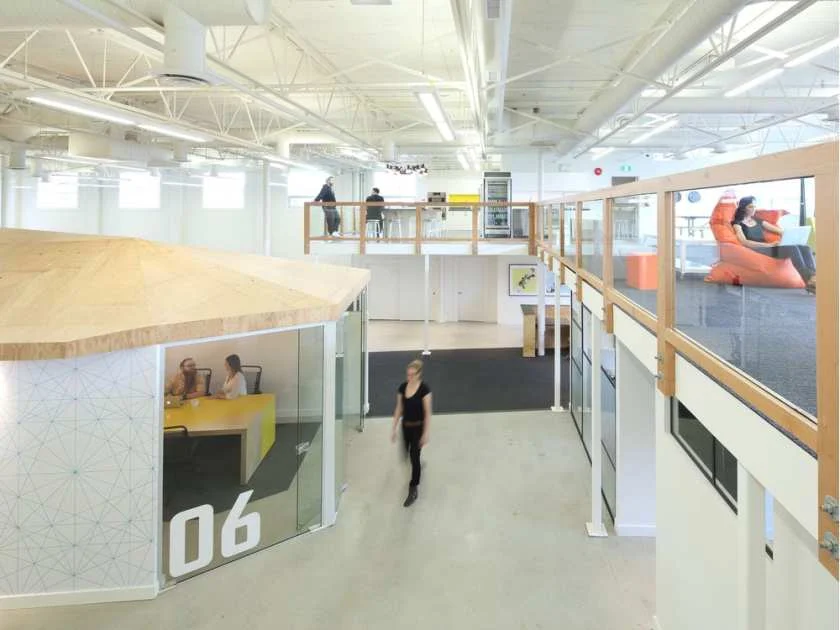


The coworking phenomenon coupled with the ethos of our current time: purpose and impact driven, environmental consciousness, and entrepreneurship, will result in unimaginable scenarios for both work and the future of companies.
Contract furnishings provider, Hightower received multiple awards at NeoCon 2021, including IIDA's 'Best Small Showroom' (under 4,000 sf) and 'Best of Competition' for its newly designed Chicago showroom.
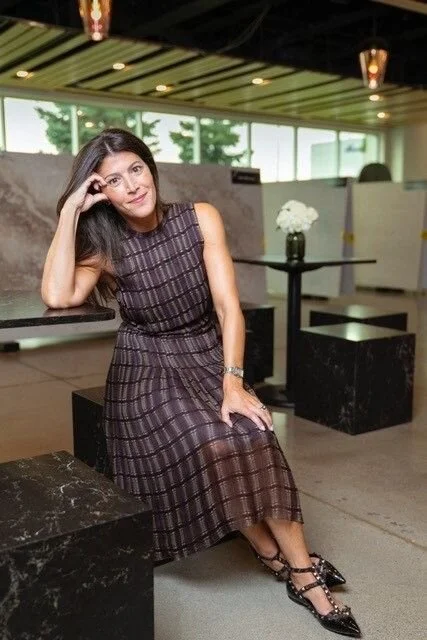
Humanscale welcomes Elizabeth Margles to its Marketing Division in the role of Chief Marketing Officer. Margles comes to Humanscale with twenty years of experience in design, fashion and retail and a background in public relations and advertising.
The exclusive relationship with Kontrol's BioCloud® Technology will provide real-time detection of airborne pathogens such as SARS-CoV-2 to help make workplaces safer as organizations return to the office.
The coworking phenomenon coupled with the ethos of our current time: purpose and impact driven, environmental consciousness, and entrepreneurship, will result in unimaginable scenarios for both work and the future of companies.
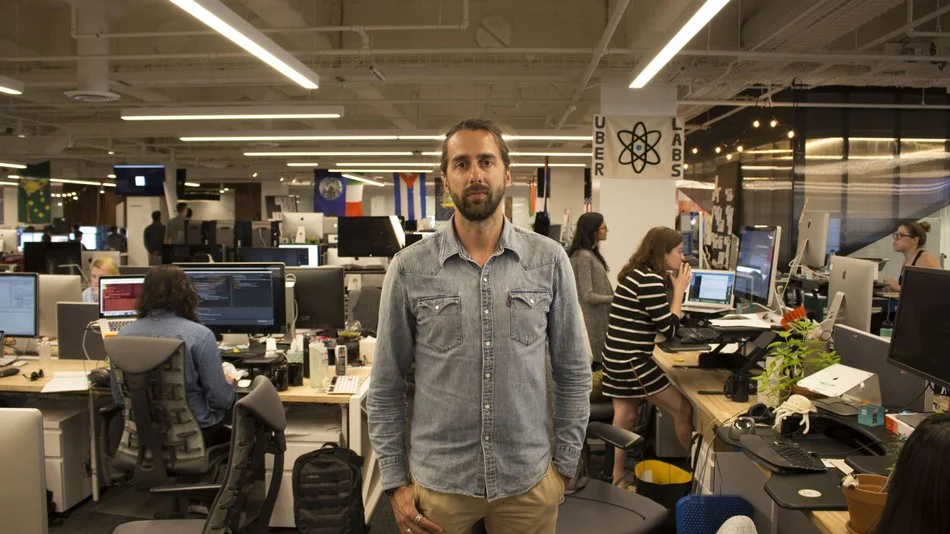
The office cubicle will never be the same. With Millennials set to make up half of the global workforce by 2020, they are driving interest in less conventional workplaces that offer flexible furniture and more space for collaboration — with nary a cubicle in sight.
With the rise of the open office has come the rise of what I’ll call the open office symphony: the consistent click-clack of a colleague who types a little bit too aggressively, the boisterous yammer of loud talkers, and intermittent laughs about something on Slack or Twitter or YouTube.
The new normal for office occupiers?This is where the most recent decision to ask people to work in a regional centre gets interesting. IBM is ostensibly doing it to encourage people to collaborate better, and there is plenty of evidence to suggest that physical proximity is an important component in the way people interact and share ideas.
The A.I. revolution comes in the less sexy form of machine learning algorithms, which essentially means giving a machine lots of examples from which it can learn how to mimic human behaviour. It relies on data to improve, which creates a powerful feedback loop: more data fed in makes it smarter, which allows it to make more sense of any new data, which makes it smarter, and on and on and on.
Contrary to popular belief, the majority of workers under the age of 35 actually prefer office life to working remotely, a new report has found.
Leaders who strike the right collaborative balance improve how work gets done. It’s not enough to adopt technologies and a culture that make it easier for workers to communicate and share knowledge. Teamwork should ultimately become a business enabler, so it’s critical to focus collaborative efforts on achieving real business outcomes that spur innovations and increase productivity.
Can a well-designed interior help to limit our work time and increase our resting time? Of course. Can we design spaces that almost force us to change our behavior? Probably not. Your job title is designer, not behavior psychologist. The individual in all of us will fight that way of thinking every time.
From the mouse that is freezing up your wrist and shoulders, the chair that is hurting your back to the aircon that is freezing you numb, Mrinal Shekar finds out how to deal with ergonomics issues that are a pain in the neck… literally.
The workplace has gone through many shifts over the years, with style, layout, design, and furniture having a lot to do with that.
In exchange for an enhanced work environment, employees can sometimes expect to spend longer hours in the office and tied to a mobile device, albeit with a flexible schedule. Largely employees once experienced an "in and out" office-based occupation, with formal dress in roughly a 9 to 5 environment. Now there is an expectation of a relaxed office culture featuring casual dress, good food, a social conscious, and fun.
Art offers new perspectives on universal issues. It teaches empathy, often evokes strong emotions, and inspires critical thinking. It should come as no surprise that it also makes us kinder.
According to “Wellbeing: A Bottom Line Issue” in Steelcase 360, IBM’s 2012 global CEO study revealed the need for companies to become “more collaborative, communicative, creative, flexible, and ultimately more innovative.”
Connecting personal values to company values is important to millennial workers, but there are more substantive, lasting ways to communicate these messages than a multi-million dollar Super Bowl ad. Using the workplace to tell a company’s story, its evolution and innovations can be a great way to show prospective young employees that a company is more than its profit margin.
Following the lead of companies like Yelp, Twitter and Google, a growing number of companies from professional services firms like JLL to cybersecurity companies like Legitscript and health insurance group Medicare have their own, full-scale cafes with baristas serving gourmet lattes and cold-brewed coffee to their employees.
It may not be possible to buy happiness, but organizations around the world are attempting to offer it, for free, at work.The idea is that by creating a truly experiential environment, employers can enable employees to feel engaged, empowered and fulfilled whenever and wherever they do their work.
Corporations’ flight from the suburbs to cities can play out like a bad breakup: One party has moved on and found someone new, while the other puts on a brave face and pretends it doesn’t matter. Each may even be seen hastily courting others to show their previous partner that they’re okay. But there’s no way to avoid it. A once-promising relationship has ended.
With productivity an on-going concern for most companies, employee disengagement—resulting in more sick days, more turnover, and less profitability—significantly affects the bottom line. But according to a recent Gallup poll, only 15% of employees worldwide are engaged in their job. In a move to increase engagement, many companies are exploring the potential of workplace design to create a sensory-rich experience based on new technologies that enable employees to customize their experience of sight, sound, smell, touch, and taste in line with personal preferences.
Office design is changing, and in doing so, reflects a desire for more social work environments, a movement toward flexible work hours and work spaces and a blending of home and office design.
In today's society, it's becoming less and less about what you look like while you're working and more about how you feel while you're working.