Working Life

Shared desks are less hygienic than dedicated workstations, claims study

Shared desks are less hygienic than dedicated workstations, claims study

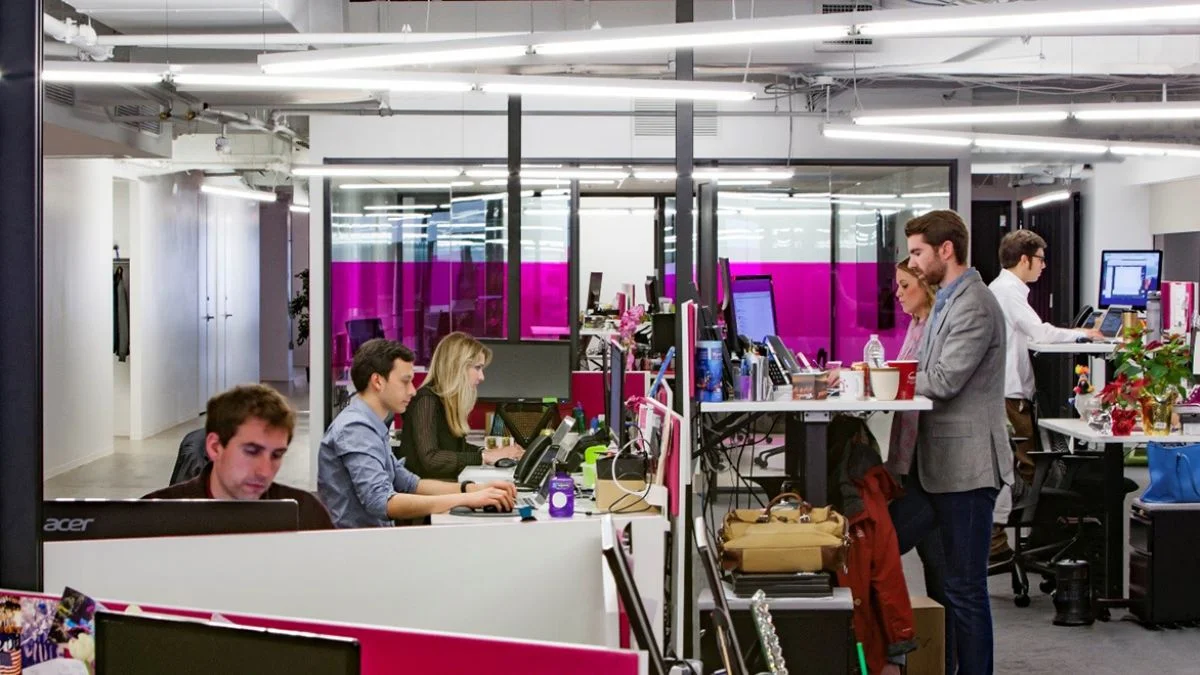
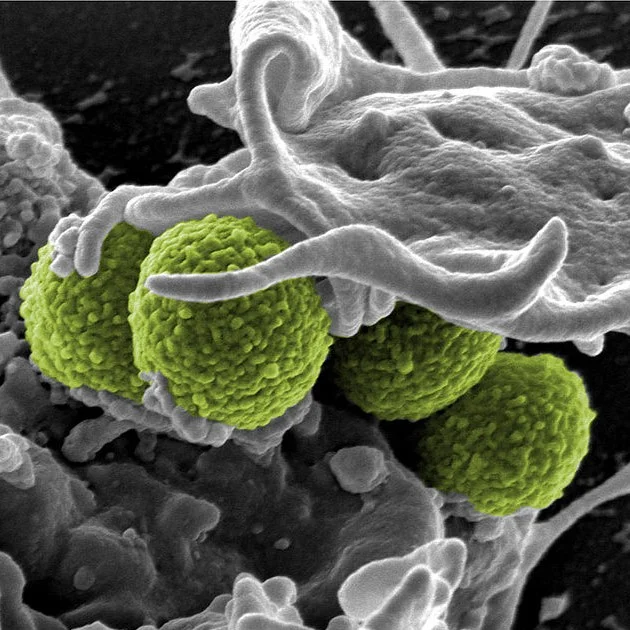
A study by Initial Washroom Hygiene claims that microbiological activity is 18 percent higher in ‘hot desking’ environment. The firm claims that these findings suggest that having germs from different people on the surface of shared desks, computer mice and other equipment, means these workstations are typically home to more bacteria. The swabbing study was conducted using one company of over 100 employees with a fixed-desk environment. The same company then moved to a hot-desking environment, and the study was repeated in the same manner four months later.

My 400-Person Company Has A Great Work Culture, And We All Work Remotely

My 400-Person Company Has A Great Work Culture, And We All Work Remotely

When we think of “culture,” so much of that is tied to a physical location. And that’s just as true of work cultures as urban ones. But here at Goodway Group, a digital marketing company with over 400 U.S.-based employees, we have a work culture that’s earned high marks on Glassdoor and kudos from Fortune‘s Great Place to Work initiative and the Society for Human Resource Management—and we all work from home. In fact, around a dozen of our team members live in RVs.

Peak Performance

Peak Performance

A considered approach to office design could help employees become even more productive - so why are so many companies still getting it wrong? Organizations are realizing that they are fighting a war for talent. As that intensifies, employees are behaving more like customers, being choosy about who they work for and looking for organizations that convey particular values and culture through their workplace. What they’re looking for is more humanity in the office and environments that energize them and connect them with the organizations values – and one another.

Carlo Ratti reveals Office 3.0 workspace that promises to end "thermostat wars"

Carlo Ratti reveals Office 3.0 workspace that promises to end "thermostat wars"

Italian architect Carlo Ratti has transformed a Turin building into an office space with a personalised "environmental bubble" for every worker.

Office 3.0 – first previewed in plans in the middle of last year – is the new headquarters for the Agnelli Foundation cultural institution in Turin, Italy.

ATTRIBUTES OF BUILDINGS OF THE FUTURE AND THEIR IMPACT ON WORKPLACE DESIGN

ATTRIBUTES OF BUILDINGS OF THE FUTURE AND THEIR IMPACT ON WORKPLACE DESIGN

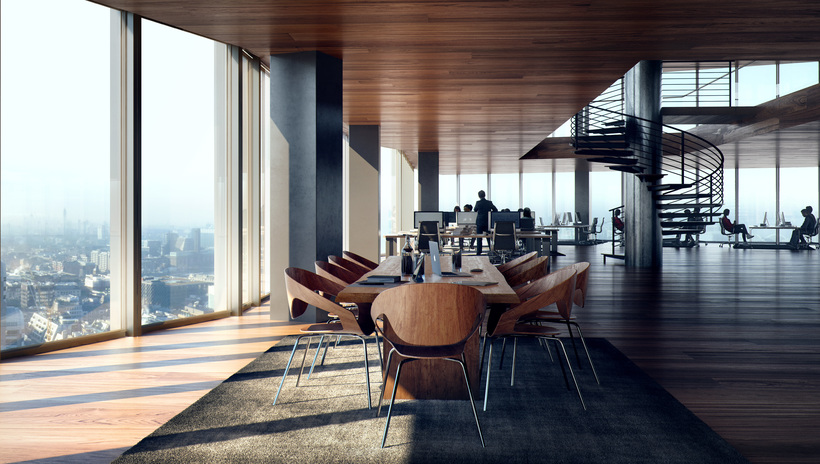
Buildings are by far the most permanent part of the workplace. With an average lifespan of about 80 years, many buildings outlive the occupants they serve.

Recent construction trends favor wild designs, featuring buildings that push the boundaries of engineering, market return and consumer popularity. Buildings are also redefining height limitations; at least eight of the world’s tallest buildings are planned to top out within the next five years.

Half of UK employees say the workplace has a negative impact on their wellbeing

Half of UK employees say the workplace has a negative impact on their wellbeing

UK employers are falling short of fully supporting mental health in the workplace, with half of UK employees say their workplace has a negative impact on their physical, mental and financial wellbeing, a new survey claims. And according to the Global Employee Benefits Watch 2017/18 from Thomsons Online Benefits of over 2,000 office workers around the world, multinational organizations are not using benefits effectively to improve employee wellbeing and provide a positive workplace experience. Almost 40 percent of employees cite improving mental wellbeing as a life goal, yet less than half of those (18 percent), feel that their benefits scheme supports this. The situation is similar for those wanting to get fit and healthy; 44 percent of employees are keen to do this, yet less than half of them (20 percent) say their employer is helping them to fulfill this ambition.

WILL GENERATION Z ALTER THE DESIGN OF THE WORKPLACE?

WILL GENERATION Z ALTER THE DESIGN OF THE WORKPLACE?

International architects firm HKS conducted a yearlong research study to find out the future of the workspace. They based their research on Generation Z.We have all heard of Millennials, well for better or worse - their reign is coming to an end. So, let me introduce you to their replacements - Generation Z.

Your new office lightbulbs may be hacking your circadian rhythms

Your new office lightbulbs may be hacking your circadian rhythms

A new frontier for office space wellness—a technology that some believe will make employees more alert, productive, and healthier—is already on the market for consumers. Priced at $130, the Philips “Hue White Ambiance” starter kit contains two LED light bulbs and everything you need to tweak their brightness and color temperature via a smartphone.

Reducing office square footage creates a spider web effect

Reducing office square footage creates a spider web effect

Amongst the goals, concerns, and aspirations of our clients shaping workplace design today, there are two constants: money and space. In today’s budget-conscious environment, reducing square footage is one of the primary drivers for new workplace design. Firms and organizations like the idea of moving to a smaller space and saving money on their lease. In fact, reducing square footage is probably the No. 1 goal I hear about today when we start working on a new office. Square footage requirements balanced against program needs drive the design discussion.

5 clues that your office is a psychologically unhealthy workplace

5 clues that your office is a psychologically unhealthy workplace

Do you hate your job? Your toxic work environment might be to blame. A psychologically unhealthy workplace increases stress, anxiety, and depression in employees. In a 2012 report for the Mental Health Commission of Canada, reported by Psychology Today, Martin Shain argued that even people without mental illness could experience issues as a result of working in "psychologically unsafe workplaces."

The workplace experience will define how real estate enables business transformation

The workplace experience will define how real estate enables business transformation

JLL has Tuesday launched ‘Workplace powered by Human Experience’, a new global report series and accompanying tool, the ‘Human Experience model’, looking at how workplace experience can help businesses thrive in the new world of work. Findings of the report, which is part of JLL’s recently launched Future of Work research program, are based on consultations with decision makers at 40 corporations around the world and the results of a separate, anonymous survey of more than 7,300 employees working for companies with more than 100 members of staff.

The "Human" in Human-Centered Design

The "Human" in Human-Centered Design

A Human-Centered Design process simply means that we design for the humans who will use the solution. Design is not based on our preconceived notions of what an effective learning environment is or those “me too” inclinations. Human-Centered Design creates the “why” and also lays the foundation for authentic creation.

Will an open office environment work for you?

Will an open office environment work for you?

Though people still talk about the corner office as a benchmark of success in the workplace, more and more companies are tearing out cubicles and private offices in favor of open floor plans with flexible furniture. The potential benefits of open offices—flexibility, opportunities for collaboration, and reduction of hierarchies—are appealing to companies that want to encourage innovation, but some projects require a level of focus best obtained in an enclosed, private space.