As a workplace strategist, I often speak with clients about the diversity of generations in their workplace, and how these cohorts influence workplace strategy. For example, the desire for flexibility and choice among Millennials was a driver behind the integration of alternative workplace strategies like hoteling and desk sharing in historically traditional industries. While generational lines are often blurred—with Perennials challenging the stereotypes—certain themes resonate.
Scientists say these two colors make office workers more alert and productive
Offices are increasingly being designed with collaboration in mind, as the lines between corporate meetings, private work sessions, and coffee dates with clients blur. While furniture and layout are often discussed, experts say there is a new frontier of workplace design they are just now tapping into: color.
The New Leader: ‘We Must Change’
Ford Motor Company is facing important decisions. Building competitive pressures, disruptive technological advances and major industry shifts require the 113-year-old company to innovate and implement the right ideas, faster. Its customers, employees and shareholders are looking to Ford’s leaders to choose the right direction to drive the company forward. It’s a monumental task and leaders at Ford recognize they can’t use yesterday’s top-down, hierarchical leadership methods.
Q+A: ‘The Future of Work Is Not Work’
What does the world of work look like as Artificial Intelligence, algorithms, bots and big data infiltrate more of our lives? Ben Pring, co-leader of Cognizant’s Future of Work Center, asks that question in “What to Do When Machines Do Everything.” His new book, co-authored with Malcolm Frank and Paul Roehrig, offers a realistic and optimistic view of the future of work. 360 sat down with Pring to hear about what his research reveals about our near, and more distant, future.
Why So Many Workers Prefer Their Remote Colleagues To The Ones In Their Office
Last year, Ann Herrmann, who heads up a talent management firm, made her entire workforce remote. They now rely on a combination of videoconferencing tools and chat platforms, with an annual face-to-face retreat. So far, she says, she’s “actually gotten to know my employees better in the process of going 100% virtual.”
What Your Millennial Employees Really Want in Office Design (It's Not Just a Ping Pong Table)
Millennials value coherence between the physical workspace and the culture of the organization. They expect to see the office as an extension of the purpose and meaning of work. Although physical comfort is important, it's more than the ergonomic chair and desk setup; it's also about being comfortable in your skin and having the freedom to be yourself.
5 Surprising Ways Buildings Can Improve Our Health
The green building movement—which has been growing over the past few decades—has gradually expanded from a focus on reducing water and energy usage to a holistic approach that incorporates how buildings affect the people in them.
Social technology has the power to make the workplace more humane
Social technology can, and should, make the workplace more humane. That’s because it has the potential and ability to shift the power dynamic from the few to the many. It gives more people a voice: one that they’re not afraid to use. You’ve only got to look at the uprisings, and the overthrowing of governments, in Egypt and Tunisia, to see the power of greater connectivity enabled by platforms such as Facebook. What was dubbed the Arab Spring was change on a grand scale. But, as Seth Godin points out in his book Tribes, it’s “tribes, not money, not factories,” that will change the world. The consequences of this are not lost on the people and cultural practices within organisations. The functions of how we recruit, how we learn, and how we communicate are all under pressure to bring greater humanity into the approach.
Levels of employee engagement are declining around the world
As the UK triggers Article 50 to leave the EU, France goes through what could be a game changing Presidential election and the United States continues to struggle with an increasingly divisive administration it’s perhaps not surprising that global uncertainty appears to be pushing up levels of employee scepticism. Globally, employee engagement declined for the first time since 2012, according to a report from Aon Hewitt. According to an analysis of more than five million employees at more than 1,000 organizations around the world, employee engagement dropped from 65 percent in 2015 to 63 percent in 2016. Less than one quarter (24 percent) of employees are highly engaged and 39 percent are moderately engaged. “The rise in populist movements like those in the U.S., the U.K. and other regions is creating angst within organizations as they anticipate the potential for a decrease in free labor flow,” explained Ken Oehler, Global Culture & Engagement Practice leader at Aon Hewitt.
THE RISING ROLE OF SOCIAL CONNECTION & CREATIVITY IN WORKPLACE DESIGN
As companies prioritize innovation among today’s employees, the demand for spaces that inspire ideas and encourage interaction is accelerating. In this month’s design news aggregate, we explore the rising role of creativity and social connection in the office and the resulting impact on workplace design.
5 Influences on Design for the Modern Workplace
Like many other facets of modern life, the workplace has evolved beyond the grey cubicles of yore. Naturally, technology has improved and streamlined many processes and changed the way people work, but most importantly, employees’ concepts of the ideal workplace have also changed. This is due to a combination of factors of which changing business models, an increasingly multi-cultural workforce and exposure to massive amounts of information are just a few. But the largest influence can be attributed to Generation Y – and Z right behind them – who take time for personal interests, make health and wellness a priority, have a more casual and collegial work style, possess a strong desire to learn, and seek (and expect) mentorship.
What Millennials Want in a Workplace (Spoiler Alert: a Kitchen Is Involved)
I love working with millennials. They're creative, entrepreneurial, media savvy, purpose-driven and often have a good grasp of life-work balance. When you meet the best ones, you don't want them to ever leave.
Could Working Remotely Be As Bad For Your Health As Smoking?
As people grow more isolated in their work, which comprises more than half of most people’s day, that is in many cases a missed opportunity to interact. Over time I think we will see negative effects of working remotely, working alone, working digitally, on people’s health.
Pantone Color of the Year: The Impact of Greenery
Once a year, in a secret part of Europe, a group of elite color strategists, psychologists, and trend forecasters stare deep into a giant crystal ball and channel visions of the future. Well, half of that is true—the other half is a little more pragmatic. For that last 17 years, the Pantone Color Institute has presented to the world its Pantone Color of the Year. The group pays close attention to big picture demographics such as Hollywood films, fashion, technology, and popular travel destinations. Then they crunch thousands of data points down to one relevant color that sets the global tone for the entire following year. In its introduction to 2016’s color of the year, Rose Quartz and Serenity, Pantone stated “…as consumers seek mindfulness and wellbeing as an antidote to modern day stresses, welcoming colors that psychologically fulfill our yearning for reassurance and security are becoming more prominent.” As designers, we certainly saw these influences in our work as clients moved away from big pops of color in favor of more soothing palettes in the workplace.
The Design Hack That Makes for Friendlier Offices
It’s never a bad idea to find yourself some work pals — after all, research has shown that people learn more on the job when they have fun at the office — but actually making those connections between the hours of nine and five is often easier said than done. If your job requires you to spend the bulk of that time typing away in a cubicle, there’s not much opportunity for organic socializing; unless you happen to catch someone on line for the kitchen microwave around lunchtime, your options are kind of limited.
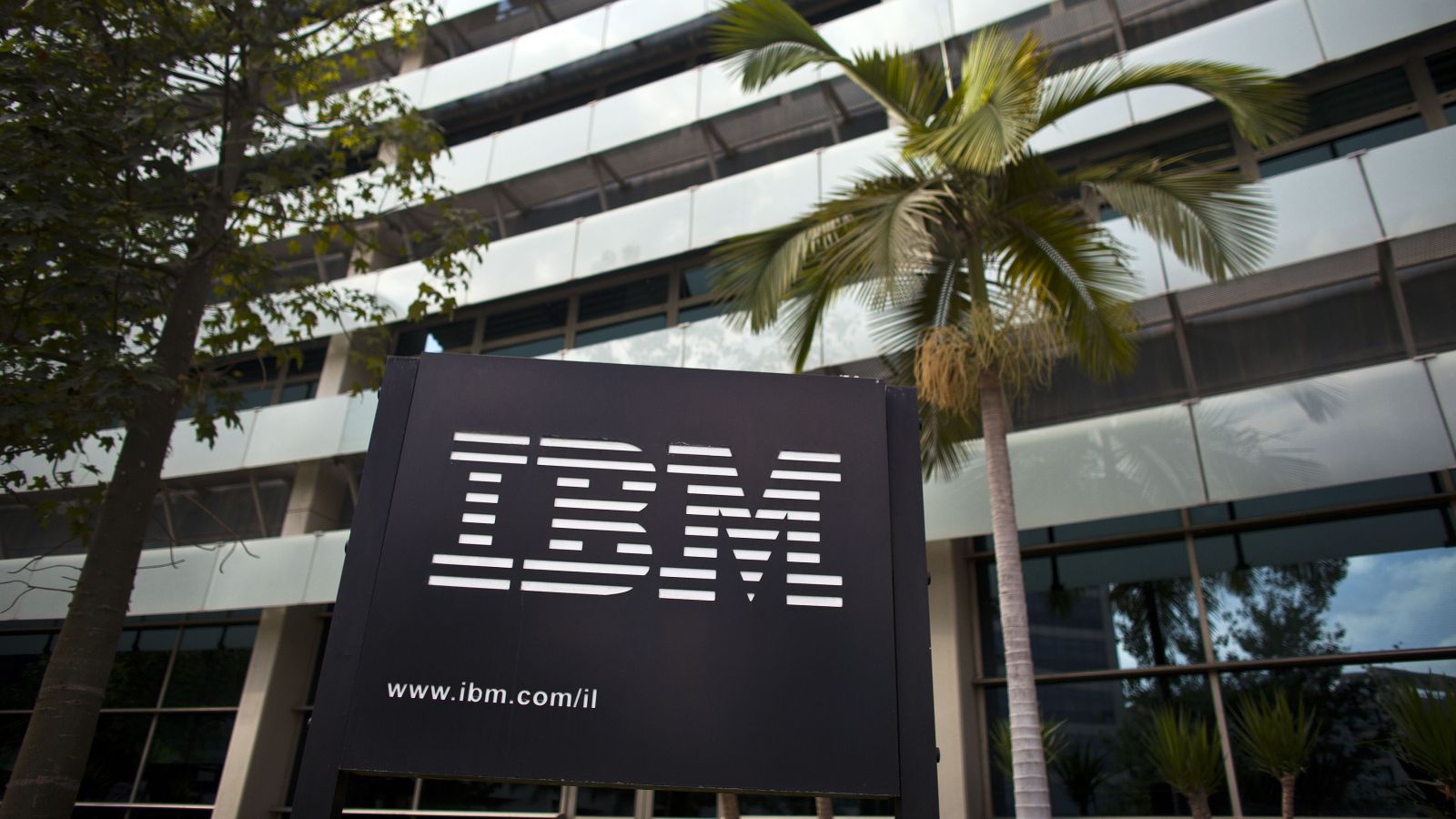
IBM, remote-work pioneer, is calling thousands of employees back to the office
Less than a year into her tenure as IBM’s chief marketing officer, Michelle Peluso prepared to make an announcement that she knew would excite some of her 5,500 new employees, but also, inevitably, inspire resignation notices from others. She had already briefed managers and the leaders of small teams on the news, which had been set in motion before her arrival in September. The rumor mill had already informed most other employees. All that was left to do was to make it official. “It’s time for Act II: WINNING!” read the subject line of Peluso’s blog post on the company intranet.
6 Tips for Designing the Perfect Workspace
These days, we demand everything from our workspaces: privacy, personality, hospitality, flexibility. We want sitting desks and standing desks, napping areas and play areas. We expect our workspaces to be all things at all times, such that we forget their essential purpose: for thoughtful, productive work. How do you create a workspace where actual work happens? These six tips will make any workspace feel perfectly yours and will ignite your most creative ideas.
Your Open-Space Office May Be Killing Productivity
About ten years ago, I shut down our offices. Everyone in my company works remotely from their home offices or at clients. The decision could not have been timed better. Besides saving on overhead, it seems that I avoided one of the worst office design trends ever embraced by corporate culture: the dreaded "open office."
Will the Gig Economy Make the Office Obsolete?
The gig economy, where independent consultants, contractors, and freelancers create portfolios of work in lieu of one full-time job, is transforming the way we work by disconnecting work from an office. In the traditional jobs economy, employers often require employee attendance in the office five days a week, eight hours a day. Gig economy employers, in contrast, focus entirely on performance, not attendance in the office. It doesn’t matter if the idea for how to solve a problem or the insight to craft a new strategy is generated in the middle of the night, or while showering, or in yoga class. The gig economy employer values the quality of worker results, not the process by which they are created.
This Office Has a Bar -- But Staff Don't Go There Just to Drink
It’s 10 a.m. on a Wednesday at Diageo, one of the world’s largest producers of spirits (and owner of brands such as Johnnie Walker, Captain Morgan, Guinness and Smirnoff). Dozens of its 150 Manhattan-based employees are clustered around the office bar, adjacent to the entrance of the company’s 56,000-square-foot office. But they’re not here to drink -- even people who work for booze companies have their limits. (Alcohol is primarily served at night during events and employee happy hours.) Instead, by day, the bar becomes a casual meeting point.