Working Life

Job seekers say telecommuting is most desired form of flexible work

Job seekers say telecommuting is most desired form of flexible work

According to research from Flexjobs, telecommuting has grown 103 percent since 2005 and approximately eighty to ninety percent of the workforce would like to telework at least part-time. Work-life balance (81 percent), family (56 percent), time savings (56 percent), and commute stress (48 percent) are the top reasons people seek flexible work arrangements. Millennials would put flexible working ahead of professional development training, company reputation and a sense of purpose when looking for a job. FlexJobs recently analysed the remote job listings of over 40,000 companies to determine which companies have been recruiting for the most telecommuting positions in recent months. Healthcare, technology and education were the most well-represented industries. The remote job listings at these companies are equally diverse, such as business analyst, product manager, developer, teacher, director of communications and market researcher.
Read the article on workplaceinsight.net > 

Workplace wellness: you can build it and they still may not come

Workplace wellness: you can build it and they still may not come

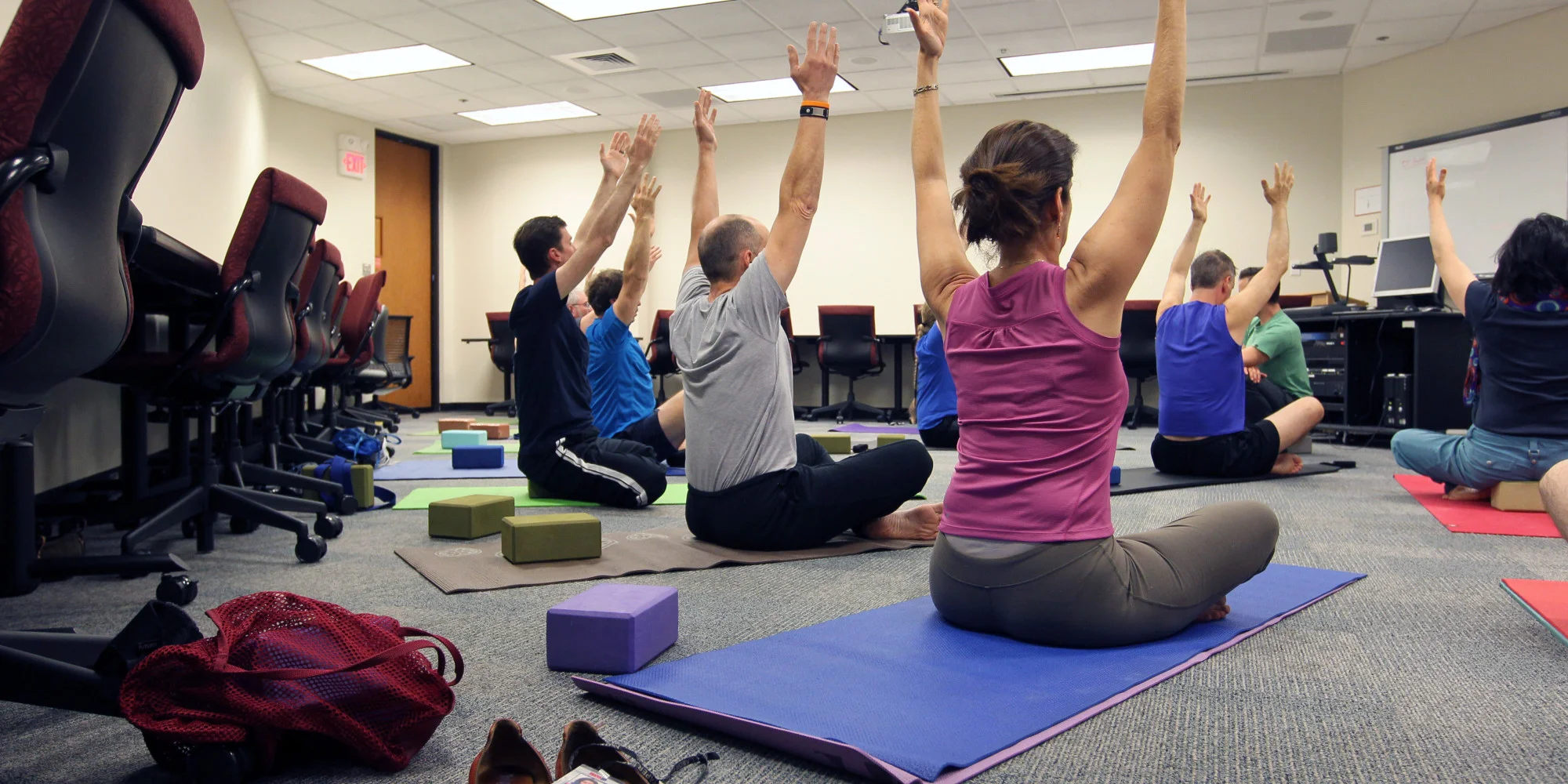
When it comes to workplace wellness programmes it appears that even if you build them, employees may still not come. According to a study conducted by the American Psychological Association, around two-thirds of Americans do not take regular advantage of the wellness programmes created for them by their employers. 

Read the article on workplaceinsight.net > 

Office best place for productivity, subject to wellness, tech and design

Office best place for productivity, subject to wellness, tech and design

An increasing number of employees may be opting for telecommuting and on-demand workspaces, but 66 percent of American employees consider the office as the most productive place to get work done. Thirty-six percent say it’s the most inspiring place to work as well, more than any other location. But as workers spend more time in the office, the onus falls on employers to keep their employees healthy, productive and inspired. According to The Staples Business Advantage Workplace Index, 70 percent of US office workers and managers report working more than 40 hours a week, many of whom say they’re working longer hours simply to catch up on work they couldn’t tackle during an eight hour day. And that workload is taking a toll, with 64 percent of respondents saying their workplace has contributed to stress, nearly half feeling so overworked they’re motivated to look for another job and 13 percent having taken a workplace stress-related leave of absence.

Read the article on workplaceinsight.net

Senior management input required to promote workplace wellbeing

Senior management input required to promote workplace wellbeing

Just a third of American workers say they regularly participate in health promotions provided by their employer, despite the prevalence of workplace wellness programmes. According to the American Psychological Association a key part of the solution is increasing senior leadership support. In the APA’s 2016 Work and Well-Being Survey, less than half of working Americans (44 percent) reported that the climate in their organisation supports employee well-being, and 1 in 3 admitted to being chronically stressed on the job. However, nearly three-fourths (73 percent) of employees with senior managers who show support through involvement and commitment to well-being initiatives said their organisation helps employees develop a healthy lifestyle, compared with just 11 percent who work in an organisation without leadership support. Among all employees surveyed, 33 percent said they typically feel tense or stressed out during the workday, and only 41 percent said their employer helps workers develop and maintain a healthy lifestyle.

Read the article on workplaceinsight.net

New guide available on building the business case for agile working

New guide available on building the business case for agile working

For employers and employees who have yet to persuade senior management of its benefits, the work-life balance charity Working Families has launched a new online guide on how to construct a business case for agile working. The step-by-step guide spells out the argument that flexible working brings; higher levels of productivity which can lead to increased output at no additional cost; staff retention, reducing turnover and the cost of retraining; recruitment opportunities, ensuring you have access to the best talent; and that flexible working is necessary to adapt to future trends. The guide covers the globalization of work and demand for 24 hour service; changing demographics and attitudes towards work and both the social case and the health and wellbeing case for flexible working. It also provides some evidence and case studies which show that flexible working increases organizational performance and productivity, along with a look at how technology can facilitate changing working styles and bring about change.

Read the article on workplaceinsight.net >

YOUR OFFICE AIR IS KILLING YOU

YOUR OFFICE AIR IS KILLING YOU

Your life depends on good air. Every year, air pollution causes the premature deaths of between 5.5 million and 7 million people, making it more deadly than HIV, traffic accidents and diabetes combined. The majority of these deaths—about 4 million—are caused by indoor air pollution, primarily in developing countries. But it takes a toll in developed countries as well. In Europe, for example, air pollution shortens the average life expectancy by nearly one year. Worldwide, more than 80 percent of people living in urban areas breathe air that exceeds pollution limits advised by the World Health Organization (WHO).

Read the article on newsweek.com >

WHY DO WE WORK SO HARD?

WHY DO WE WORK SO HARD?

When John Maynard Keynes mused in 1930 that, a century hence, society might be so rich that the hours worked by each person could be cut to ten or 15 a week, he was not hallucinating, just extrapolating. The working week was shrinking fast. Average hours worked dropped from 60 at the turn of the century to 40 by the 1950s. The combination of extra time and money gave rise to an age of mass leisure, to family holidays and meals together in front of the television. There was a vision of the good life in this era.

Read the article on 1843magazine.com >

Spatial Culture: Tech firms aim to display company culture through office design

Spatial Culture: Tech firms aim to display company culture through office design

As technology companies outline plans for their office design, creating ways to showcase their culture impacts the process.

“Every company has its own unique culture and core values that make up who they are and have contributed to their success,” said Jenny Haeg, founder and CEO of San Francisco real estate firm Custom Spaces, which focuses on finding space for technology and startup companies. “Therefore, it’s crucial for a company to individualize their space to allow that unique culture to flourish and develop.”

For example, one company Haeg assisted was San Francisco-based Checkr, which expedites employee background screenings for businesses. Part of the company’s goal was to create an office environment to reflect its values, including transparency and connection, said Khoi Ho, manager of people operations at Checkr.

Read the article on theregistrysf.com >

This Is What Happens When You Give Up Your Office

This Is What Happens When You Give Up Your Office

Open-office plans have been bashed by critics, but done right, they can be effective. When my company, Namely, moved into a new space, I knew I didn’t want my own office. That’s right -- I’m the CEO, and I don’t have my own office. Instead, I move my desk around every few months so I can sit in a different Namely department.

Read the article on entrepreneur.com

Video: Workplace design, building for humans and machines

Video: Workplace design, building for humans and machines

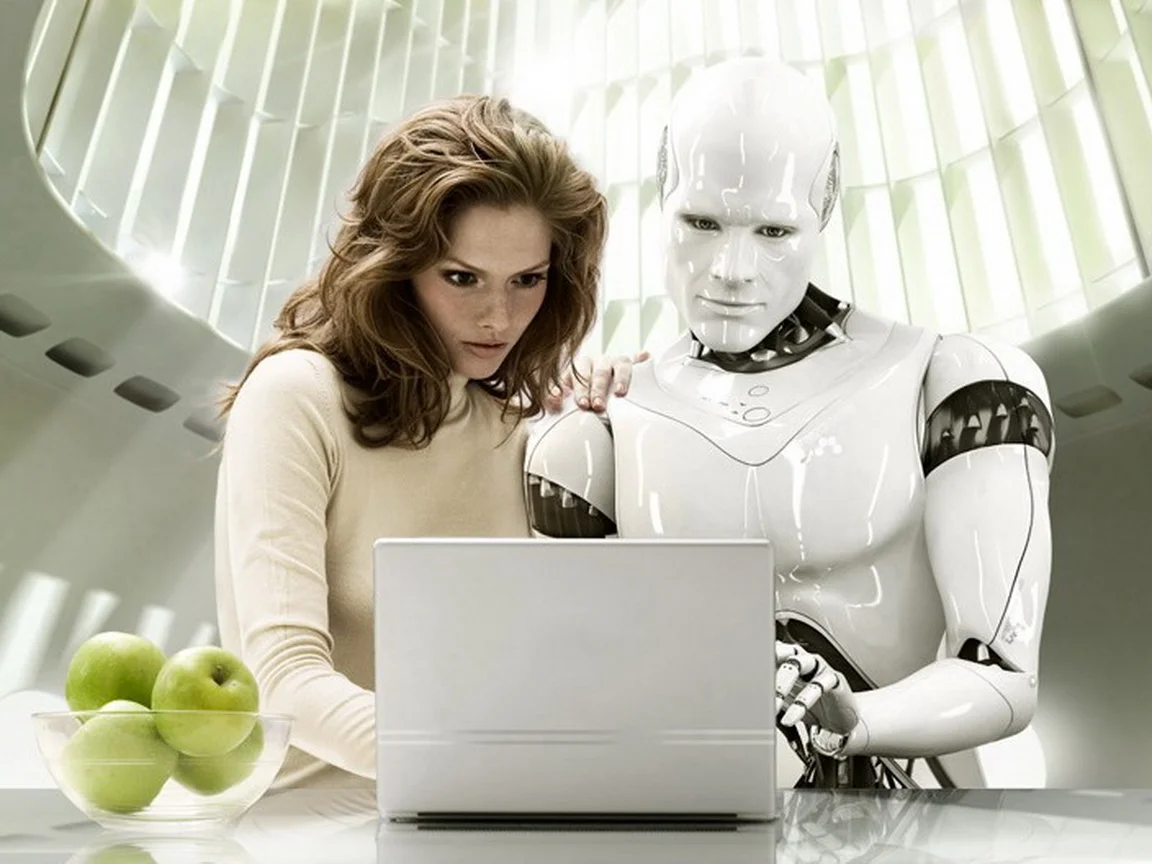
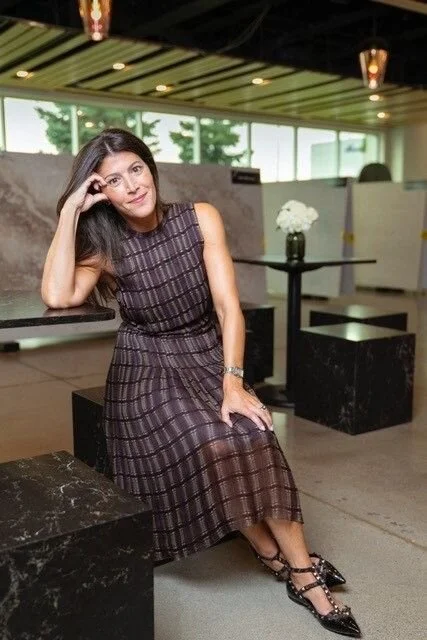
Jennifer Magnolfi, designer, architect, and founder and principal researcher of Programmable Habitats, has studied the convergence of human work and machine work. Increasingly, we will work alongside machines in spaces designed not just for people, but also for artificially intelligent occupants. Magnolfi already sees this in the hacker and maker spaces young roboticists are creating.

Tech-Honed Features Emerge in the Financial Sector

Tech-Honed Features Emerge in the Financial Sector

Popularly attributed to new technologies and the rise of high-tech firms, current workplace trends and new attitudes about work represent a cultural shift that draws from a combination of factors. Technology has set the ball in motion and continually updates the playing field, but behaviors and dynamics from other sectors have also made contributions.

Read the article on interiorarchitects.com >

3 Misconceptions I wish everyone knew about Activity Based Working

3 Misconceptions I wish everyone knew about Activity Based Working

A big part of our job is re-educating people on their understanding of what Activity Based Working (ABW) really is. And perhaps even more importantly, help create their own definition of what it means for them personally.

Read the article on officesnapshots.com >

Joynout Shapes the New Era of Welfare Working-Culture

Joynout Shapes the New Era of Welfare Working-Culture

Nowadays there is a growing awareness for the importance of designing a comfortable and dynamic working environment, which will serve our changing needs throughout the day. Business owners expect their employees to be productive and efficient. Many of them understand that by offering a resting zone for relaxation at the working space, they can increase the productivity and vitality of their workers. On the other hand, workers themselves expect their workplace to feel like a second home, where they convey a very large part of their time. This idea brought Tel Aviv-based joynout studio to start developing an innovative product that will meet the requirements and expectations of both sides.

Read the article on designboom.com >

People are happy at work but yearn for better tech and a second job

People are happy at work but yearn for better tech and a second job

The recent riots across France sparked by mooted reforms to labour laws have been attributed to French workers objecting to the creation of working cultures akin to those in the UK and US. In which case, it would be interesting to see how our Gallic cousins might respond to the findings of a new report from Adobe which suggests that workers in both the UK and US as well as India see technology as the key perk they look for at work and many are perfectly happy to work more than one job and don’t expect long term commitments to (and from) their employers, although many of them also feel defined by what they do for a living and are happy at work. According to The Work in Progress report, a quarter of UK workers already moonlight and over two thirds believe that better technology would be the single most important way of improving their working lives. The same attitudes are also prevalent in responses from workers in both the US and India.

Read the article on workplaceinsight.net > 

Are Recently Hired Graduates Lost in Transition?

Are Recently Hired Graduates Lost in Transition?

We’ve all heard the negative stereotype surrounding Millennials…entitled, lazy, do-gooders who can’t put down their smart phones. We’ve also heard the positive stereotype of this generation….tech-savvy, adaptable employees who look for meaning in their work and openly seek to collaborate with peers. Millennials now make up the largest generation in the workforce, leaving employers scratching their heads as to how to attract and retain these workers who seem to challenge the traditional norms of “work”.  KI and HOK set out to answer just this question. After speaking with HR professionals, employers and recent graduates we uncovered one, consistent truth, recently hired graduates are ‘lost in transition’.

Read the blog post on blog.ki.com >

Why the greatest places to work are also safe by design

Why the greatest places to work are also safe by design

An effective workplace is one that helps employees to feel relaxed, motivated, and safe. From my point of view, the latter is especially true. I believe that health and safety becomes a lot easier when it is built into the fabric of the building itself. The Google workplace has been praised for its great design, and it’s easy to see why. Alongside the eccentric features and the myriad of differently styled rooms is a serious commitment to the wellbeing of its employees. The design of the Google canteen (above) means that sugary snacks are stored in translucent containers at the back, but healthier options such as fruits and nuts are stored in transparent containers at the front. The idea is to encourage employees’ to be healthy using workplace design. This is just one example a company that has built safety and health into the fabric of their building rather than absent-mindedly forcing it upon the workplace as an afterthought.

Read the article on workplaceinsight.net > 

Mindful Offices: Using Design Psychology to Create Better Workplaces

Mindful Offices: Using Design Psychology to Create Better Workplaces

Transitioning from a traditional office to an open office environment that fosters collaboration and mobility can be challenging. The Internet is loaded with articles about organizations opening up innovative colorful spaces that have touchdown stations, huddle rooms, phone booths, and even amenities such as coffee bars, office slides, and ping-pong tables. But I am often curious as to whether these offices provide a real connection to the employees versus a trendy design fad that is solely intended to make the workplaces seem cool. It is precisely this deeper connection that design psychology can provide when creating new workplaces.

Read the blog post on blog.fentress.com >