
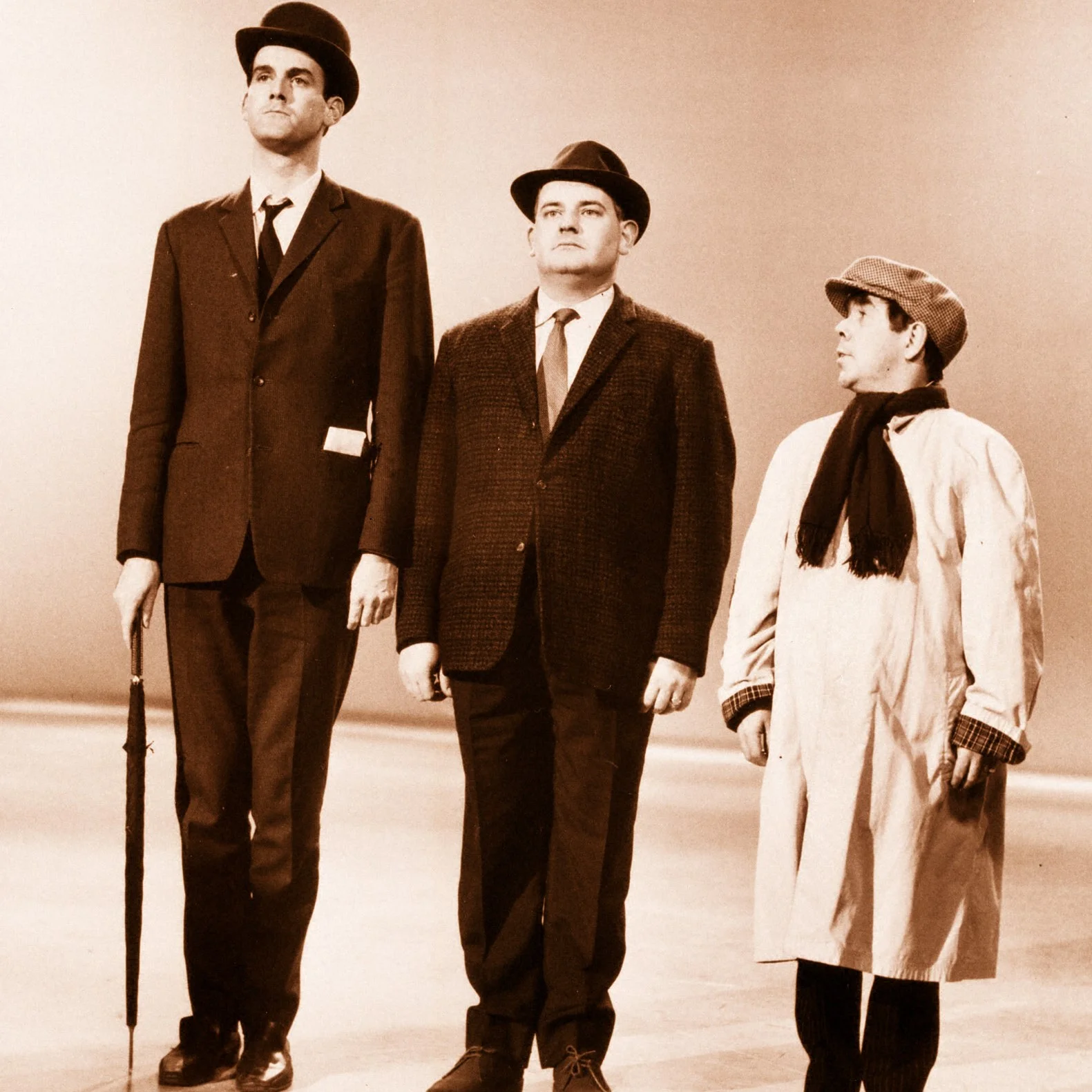
There was a time, not so long ago, that one of the most important factors to consider when designing an office was the corporate hierarchy. The office was once the literal embodiment of the corporate structure. In Joanna Eley and Alexi Marmot’s 1995 book Understanding Offices, quite a lot of space is dedicated to the idea of the ‘space pyramid’, which means simply that the higher up the organisation you were, the more space you were allocated. Even then, the idea of office design as a signifier of dominance was starting to wear thin, as the authors acknowledge. Ostentatious displays of status were already seen as somewhat gauche, but they were to be fatally undermined by the technological advances to come. In particular the way new technologies meant the flattening and removal of those layers of the hierarchy responsible for collating and communicating information. Changes in culture and technology combined to eradicate the past, not for the first or last time.
Displays of status weren’t confined to layouts, of course. The sorts of office furniture products people adopted also said something about how they wanted to be seen. Executive desks, dark wood veneers and high-backed leather chairs were some of the ways people of status displayed their position to those sat on fabric task chairs at oak veneered workstations. A perspective famously mocked in the 1970s sitcom The Fall and Rise of Reginald Perrin.