

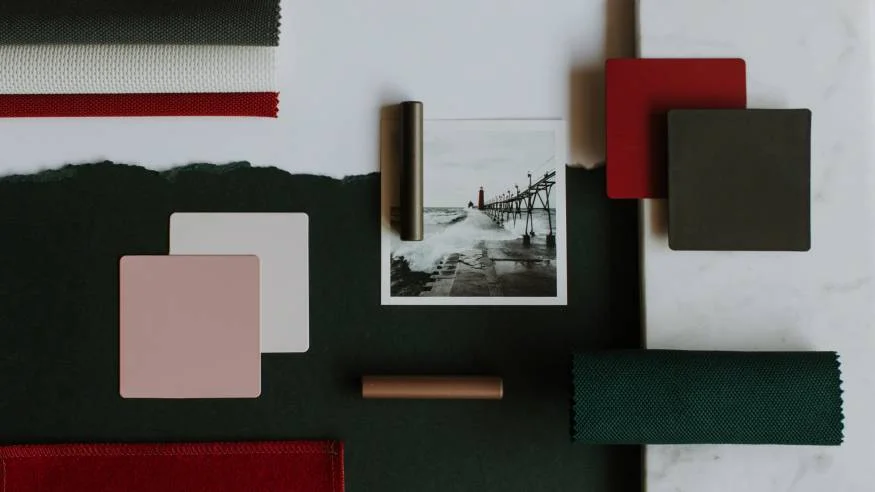
The workplace is not a sedate environment. Now, more than ever, it’s active. People aren’t sitting in one location all day, performing a single task. Instead, they’re moving back and forth between different kinds of work modes in order to create and innovate. As we redefine the kinds of work we do, we’re also reimagining the places where we do it. People are rejecting monotonous, uninspiring spaces and seeking comfortable working environments like the ones they have at home. Colors in the workplace plays a big role as designers blur the boundaries between work and life.
“It’s a designer’s heaven,” said Bruce Smith, Steelcase director of global design. “I couldn’t be more excited about what’s going on right now. There’s an open-mindedness to the creation and application of new finishes that I haven’t seen in our industry before.”
Smith and senior industrial designer, Julie Yonehara, worked with a team to create seven new color families designed to encourage creativity and self-expression, enabling designers to create spaces that are unique to organizations and individuals. 360 sat down with them to find out how they went about creating these new palettes.
360: Why does color make such an impact on people?
Bruce: What’s funny about color is everyone has a point of view about it. You can be so right and so wrong. There’s a good chance if I wear a lime green T-shirt, some people would like it and others wouldn’t. You’ll see that in the way we work through design problems. When I design a chair, I avoid putting color on a chair before we engineer it and get through the form. Color can be polarizing. It can either be somebody’s favorite or alienate them in a second.
Julie: Color is evocative of emotions and memory. When you think of the 70s, 80s and 90s, you can make up a color palette in your head. Colors are associated with brands (Coca-Cola’s red and white), genders (pink for girls), even occupations (firefighter red). Everyone has different color biases. Palettes can be meant to evoke peacefulness or energy, but people’s reaction can vary based on culture or individual preference and history. Because of the associations we have with certain colors, they can influence our emotional wellness.